Disclose to communities
A Gateway to Sustainable Finance for Emerging Markets
A Gateway to Sustainable Finance for Emerging Markets
"Social license is more important than ever to communities and the mining industry. The shift to low carbon power generation will be mineral intensive and create significant opportunities for the poorest of nations to develop their natural resources.
"Research shows that increased transparency and accountability in the delivery of infrastructure projects reduce waste, mismanagement and corruption and generally to produce higher value for the public.
Company disclosure and transparency on the management and governance of key sustainability impacts is an important part of stakeholder engagement.
It can demonstrate that companies are accountable to the local communities, that they understand and prioritize their concerns and handle their grievances. It can be used to initiate an on-going dialogue with local communities, build trust and secure their social license to operate.
This is particularly important in extractive industries and infrastructure.
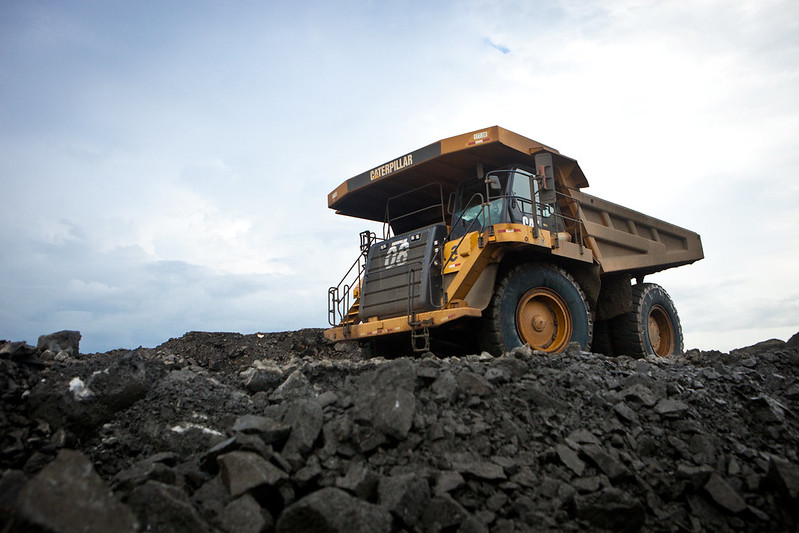
Natural Resource Projects can exacerbate inequalities, corruption and conflict – IFC research on 50 natural resource projects found losses of about US$20 million per week from delays due to conflicts. The strategic use of disclosure and data can help foster transparency and accountability, enabling more equitable benefit sharing, and ultimately create a stronger license to operate.
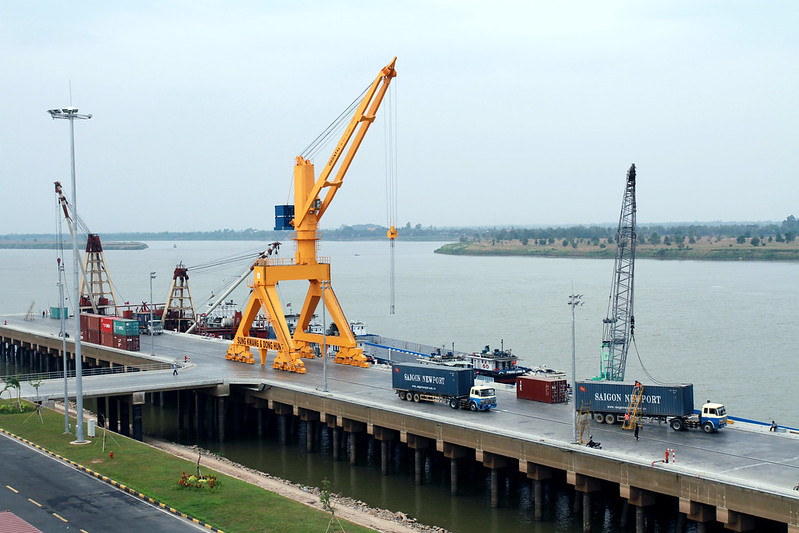
Infrastructure is another sector where disclosure and transparency is a key part to successful community engagement. Community relations and mitigation of environmental and social impacts is central to the successful construction, operation and ultimately public benefits of roads, bridges, ports, airports and other large infrastructure projects.
Disclosure to communities should be made through multiple medium and platforms, including:
At the corporate level, the annual report should include information on the interest of key stakeholders and how they have been integrated into the company’s strategy and value creation process. It should also include information on the governance of the stakeholder engagement process – how stakeholders are identified, how their grievances are addressed – and its oversight by the Board of Directors.
The annual report should also provide performance information on key sustainability issues for the company, providing stakeholders with outcome data.
For more information, please see our Toolkit for Disclosure and Transparency, and specifically the sections on Stakeholder Engagement and the Governance of Stakeholder Engagement.
In addition to corporate-level information and data disclosed in the Annual Report, companies may need to provide disaggregated, site-level information that is relevant to a specific community, industry or issue, and can facilitate a true dialogue at the local level.
ICMM encourages companies to commit to disclose their contributions to social and economic development, and to provide robust site-level validation of performance expectations and credible assurance of environmental, social and governance reporting.

This IFC-led program, funded by the BHP Foundation, in collaboration with the World Bank seeks to enhance multi-stakeholder benefit sharing from investment in natural resources through effective disclosures and data use practices. D2D is designed to develop, test and disseminate better approaches to information disclosure and data dissemination. It currently is being piloted in Colombia, Ghana, Mongolia, and Peru.
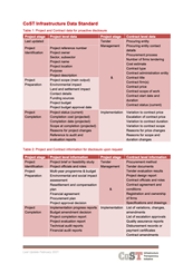
CoST IDS promotes the disclosure of 40 data points to be published at key CoST IDS stages of the project cycle including identification, preparation, completion, procurement and implementation. CoST, an Infrastructure Transparency Initiative
Stock exchanges can also encourage listed companies to use our communications and report creation tools to raise disclosure standards in their markets while lowering the reporting burden.